How Finnish Licensing Reforms Reshape Bonus Allocation in Mobile Progressive Games
Kirjoittanut Dana Müller · 13.9.2026
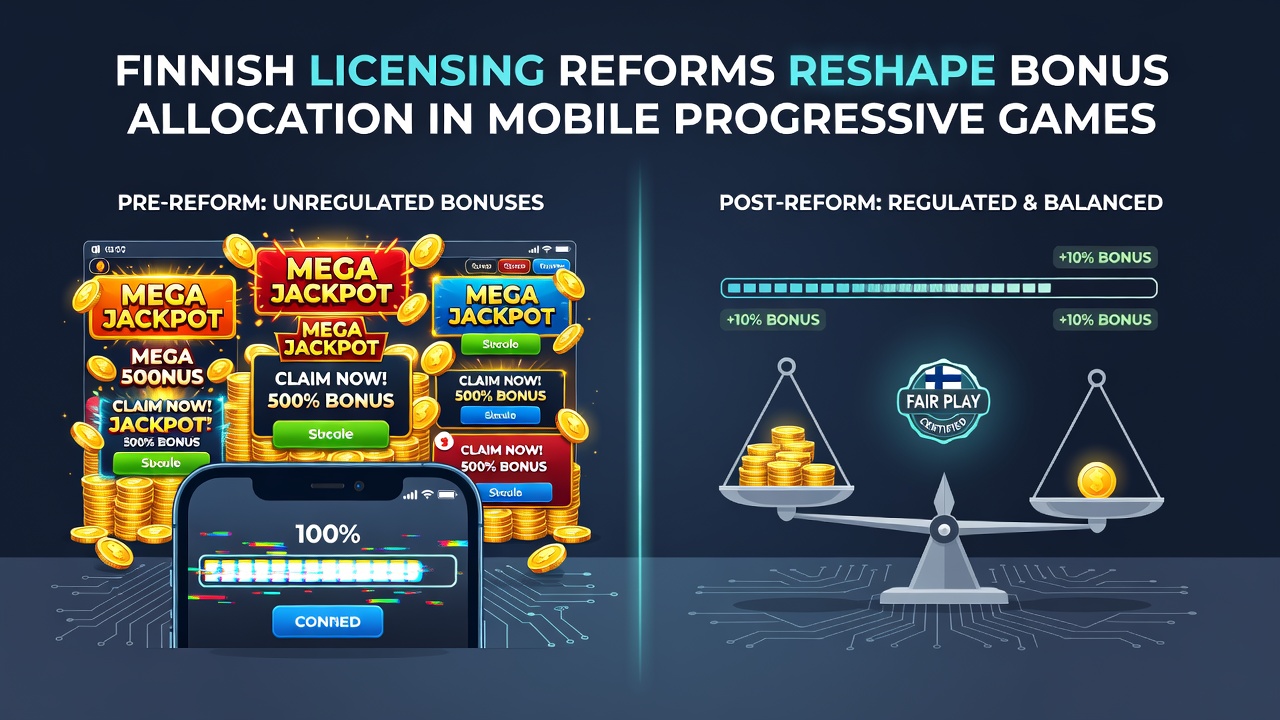
How Finnish Licensing Reforms Reshape Bonus Allocation in Mobile Progressive Games
Finland's shift toward a multi-license gambling framework has introduced new rules that directly influence how operators distribute bonuses within mobile progressive games, where jackpot pools grow across connected devices and players compete for shared prizes. These reforms, phased in over recent years and gaining momentum by September 2026, require licensed providers to align bonus offers with stricter consumer protection standards while maintaining competitive appeal in a market that previously operated under a state monopoly model.
Before the licensing changes, bonus allocation in progressive mobile titles often followed flexible promotional strategies tied to player acquisition goals. Now, operators must submit detailed bonus structures for approval, and these plans include caps on contribution percentages toward progressive jackpots as well as mandatory disclosure of wagering requirements. Data from the Finnish Ministry of Finance shows that approved bonus schemes in 2026 emphasize responsible play metrics, such as session time limits that automatically adjust bonus eligibility in real time.
Core Elements of the Licensing Overhaul
The reforms establish a regulatory body that reviews each operator's bonus allocation protocols before granting or renewing licenses, and this process covers mobile-specific features like in-app notifications for progressive jackpot triggers. Observers note that companies must demonstrate how their bonus systems prevent excessive risk exposure, particularly when progressive pools cross national borders through shared networks. Researchers at institutions tracking European gambling trends have documented shifts where bonus values now tie directly to verified player activity levels rather than blanket welcome offers.
One notable adjustment involves the treatment of deposit-matched bonuses in progressive games, where only a portion of the bonus amount may contribute to jackpot growth under the new guidelines. This change stems from requirements that separate promotional funds from pooled prize money to ensure transparency. Figures released in September 2026 indicate that compliance audits have led several operators to revise their mobile interfaces so players see clear breakdowns of how bonuses affect their share of progressive contributions.
Impact on Mobile Progressive Game Mechanics
Mobile progressive titles rely on continuous player engagement to build jackpots, yet the licensing rules now limit how quickly bonuses can convert into additional spins or entries. Operators have responded by redesigning allocation algorithms that prioritize smaller, frequent rewards over large upfront bonuses, and this approach aligns with regulatory demands for balanced play patterns. Studies from European research networks reveal that such adjustments have altered average session lengths in Finnish-licensed apps, with data showing steadier jackpot contributions across broader player bases.
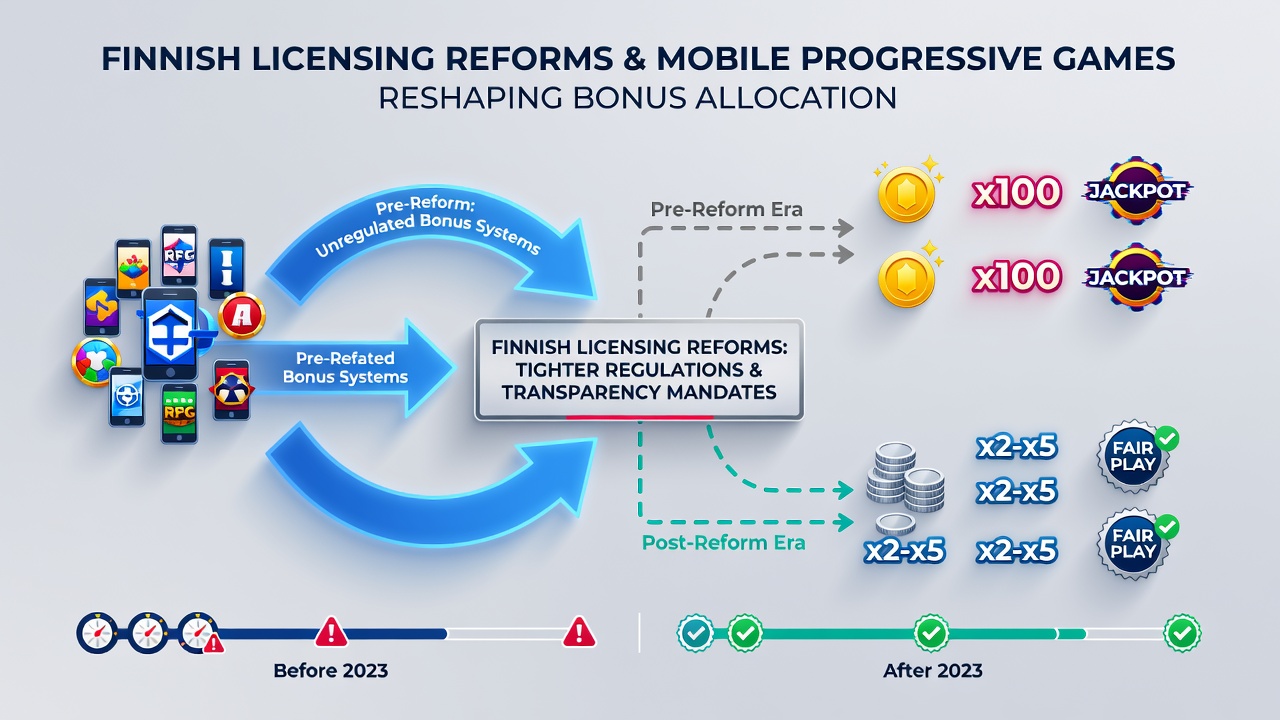
Another shift appears in the way operators handle loyalty bonuses within progressive environments, where points earned through mobile play must now follow standardized conversion rates approved by regulators. These rates prevent disproportionate allocation that could inflate certain jackpot pools at the expense of others. Industry reports compiled by groups like the European Gaming and Betting Association highlight how Finnish licensees have introduced tiered bonus systems that scale rewards based on verified play history, reducing opportunities for rapid bonus cycling that previously existed in less regulated settings.
Operational Adjustments by Providers
Operators holding Finnish licenses have invested in updated tracking software that monitors bonus usage against progressive jackpot rules, and these tools generate compliance reports automatically for submission. The process includes real-time flags when bonus allocations approach regulatory thresholds, allowing quick adjustments without disrupting ongoing games. Those who have examined license applications note that successful operators include detailed simulations showing how their mobile bonus models perform under various player scenarios while staying within prescribed limits.
September 2026 saw the rollout of updated reporting templates that require operators to break down bonus contributions by game type, with particular attention paid to progressive titles because of their interconnected prize mechanics. This granularity helps regulators assess whether bonus strategies support sustainable jackpot growth or create imbalances that could affect player perceptions of fairness.
Conclusion
Finnish licensing reforms continue to standardize bonus allocation practices across mobile progressive games, creating a framework where operators balance promotional incentives with mandated protections. The changes implemented through 2026 emphasize transparency in how bonuses interact with growing jackpots, and ongoing audits ensure adherence to these standards. As the licensed market matures, providers adapt their mobile platforms to meet both regulatory expectations and player engagement needs within clearly defined boundaries.