Mapping Player Retention Through Layered Game Mechanics in Hybrid Casino Portfolios
Kirjoittanut Dana Müller · 27.9.2026
Mapping Player Retention Through Layered Game Mechanics in Hybrid Casino Portfolios
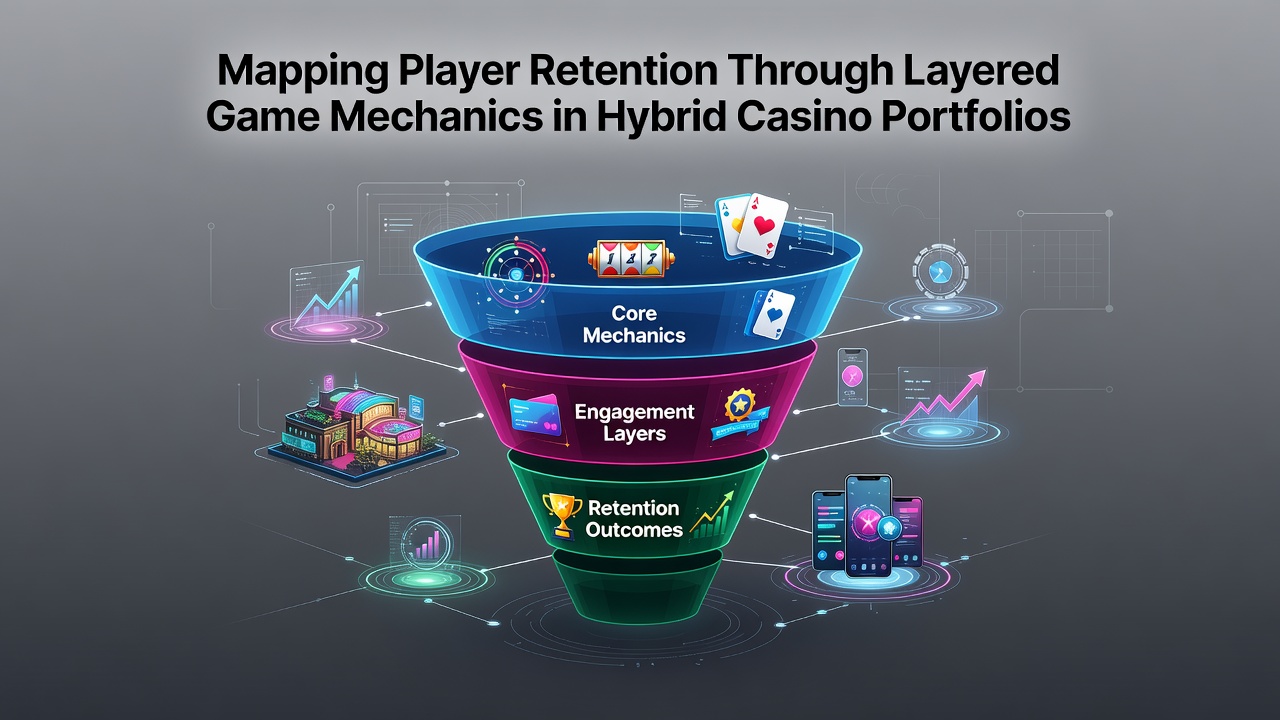
Hybrid casino portfolios combine slots, table games, live dealer options, and progressive jackpots within single platforms that span desktop and mobile environments, and operators track player movement across these layers to understand retention patterns. Data mapping techniques connect session length, wager volume, and feature engagement to specific mechanic triggers such as level unlocks, tiered loyalty rewards, and cross-game bonus multipliers. September 2026 figures from multiple jurisdictions showed steady increases in multi-product play among users who interacted with at least three distinct mechanic layers during a single week.
Core Components of Layered Mechanics
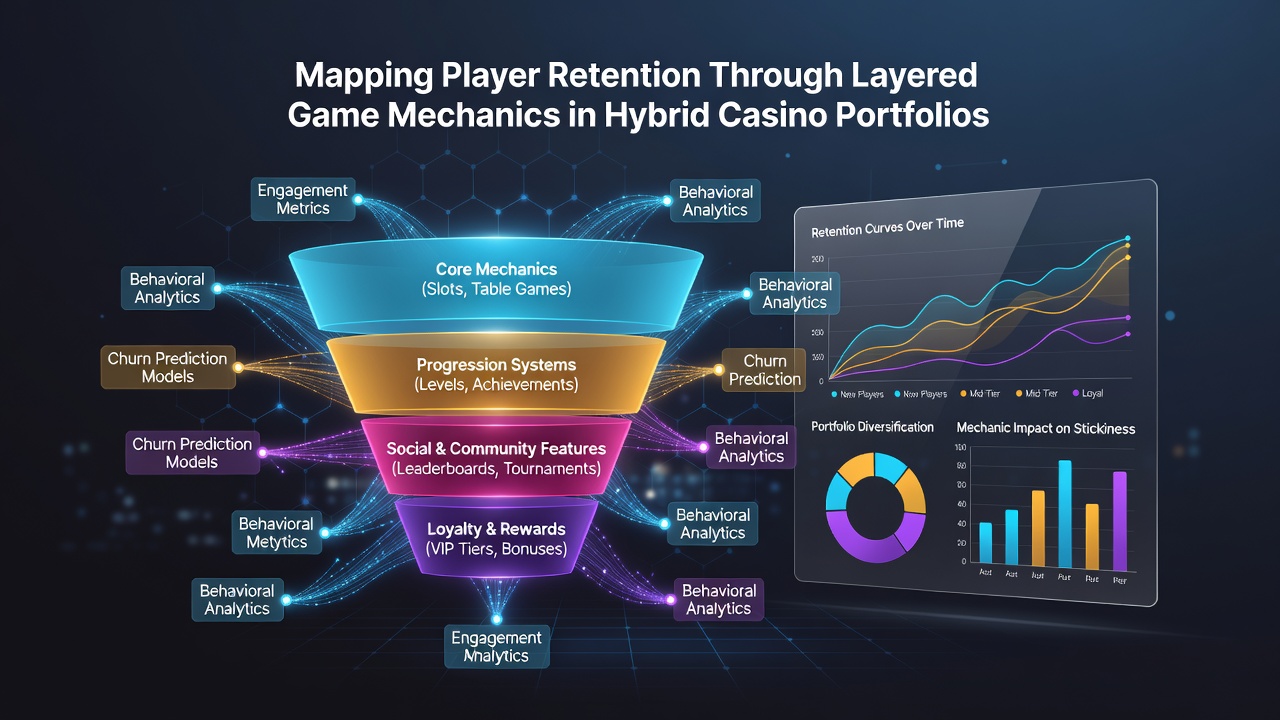
Layered systems operate through sequential and parallel structures where base game play feeds into secondary progressions such as achievement badges, streak counters, and personalized challenges that unlock higher-value rewards in other titles. Operators record how completion of a slot-based daily quest directly influences entry into a table game tournament, creating measurable pathways that extend overall account activity. Research indicates these connections reduce churn by linking short-term tasks to longer-term portfolio exploration.
Data Collection and Visualization Methods
Analysts aggregate telemetry from game clients, payment gateways, and loyalty databases into unified player profiles that display retention curves segmented by mechanic interaction depth. Heat maps illustrate peak engagement periods following the activation of layered bonuses, while cohort analysis compares users who accessed multiple layers against those who remained in single-product silos. According to reports from the Nevada Gaming Control Board, portfolios that implemented real-time mechanic mapping recorded higher average session counts per active account during the first three quarters of 2026.
Visualization tools convert raw event streams into retention funnels that highlight drop-off points between mechanic stages, allowing teams to adjust reward thresholds without altering core game mathematics. These models incorporate geographic and device variables, revealing that mobile users in certain regions respond more strongly to social-layer features such as shared leaderboards than desktop counterparts do.
Retention Patterns Across Portfolio Segments
Players who engage with progression systems spanning slots and live tables demonstrate longer lifetime value metrics compared with those limited to one vertical, and operators attribute this outcome to the compounding effect of interconnected rewards. Figures released in September 2026 indicated that accounts reaching the third mechanic layer within 14 days of registration maintained activity at rates approximately 40 percent above baseline cohorts. Cross-product challenges that reward both volume and variety appear especially effective in markets where regulatory frameworks permit flexible bonus structures.
One documented case involved a Nordic-facing operator that synchronized a seasonal slot leaderboard with table game cashback tiers, resulting in measurable migration between verticals during the campaign window. Observers note that such integrations require careful calibration to avoid diluting individual game appeal while still encouraging portfolio breadth. Academic studies from the University of Nevada, Las Vegas have examined similar mechanic layering in land-based and online hybrids, finding consistent correlations between layered goal completion and reduced 30-day inactivity rates.
Regulatory and Technical Considerations
Compliance teams review mechanic designs to ensure they align with jurisdictional rules on bonus transparency and responsible gambling prompts, and mapping tools help surface potential issues before launch. Technical infrastructure must support low-latency updates across game clients so that progress in one title immediately reflects in others, a requirement that becomes more complex when portfolios include third-party content. Data from the Canadian Gaming Association shows that operators investing in unified player graphs experienced fewer reconciliation errors during cross-product promotions in 2025 and 2026.
Security protocols protect the integrity of progress data against manipulation, while privacy standards govern how retention models incorporate behavioral signals without exposing personal identifiers. These safeguards support continued refinement of layered systems as player expectations evolve.
Conclusion
Mapping player retention through layered game mechanics provides operators with concrete visibility into how progression systems, loyalty structures, and cross-product incentives influence continued engagement within hybrid portfolios. September 2026 data and supporting analyses from regulatory bodies and research institutions confirm that structured mechanic pathways correlate with extended account activity when implemented with appropriate measurement and compliance frameworks. Continued development of these mapping approaches will depend on advances in data integration and regulatory alignment across regions.